February 11, 2026
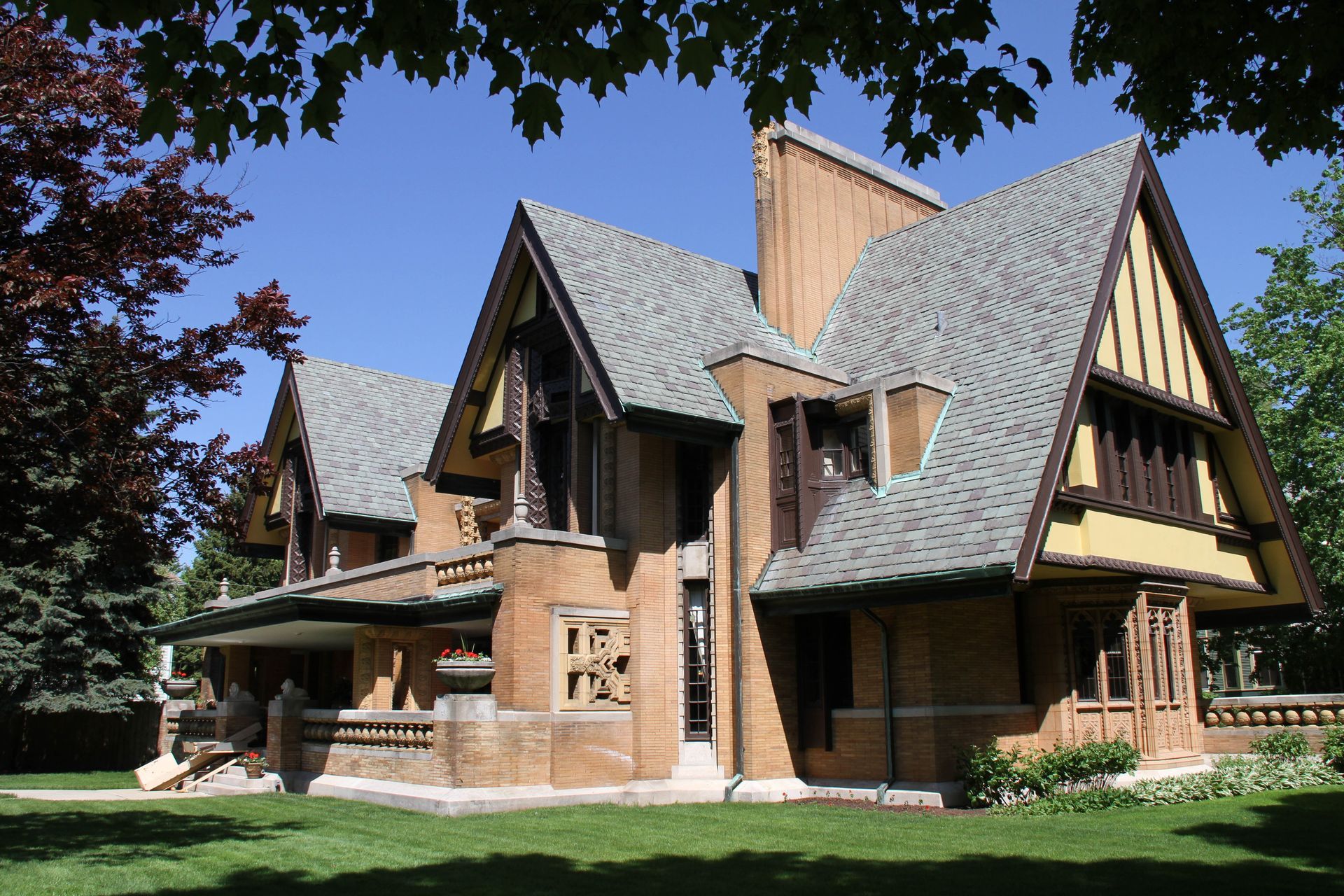
Renovating a property from another era preserves craftsmanship while adapting spaces for modern life. Projects of this kind demand patience, careful planning, and respect for original materials so improvements strengthen the home rather than erase its character. Owners often balance current comfort with period details such as wood windows, masonry walls, and distinctive rooflines. Successful historic home renovations rely on clear goals, realistic budgets, and partners who understand older construction methods. Thoughtful preparation reduces surprises and keeps work aligned with local guidelines, and the following considerations lead naturally into the steps that shape the main renovation process.
Evaluate Historic Status and Regulations
Understanding official designation guides every decision in historic home renovations. A house may appear old yet carry no formal protections, while another property could fall under local or national oversight that affects materials and design choices. Checking records with municipal planning offices reveals whether approvals are required before altering roofs, windows, or structural components. Early knowledge prevents delays when scheduling services such as roof installation, skylight installation, or siding installation. Clear awareness of rules also helps owners coordinate design-build services and construction management services. Careful evaluation keeps improvements respectful of heritage while allowing necessary modernization.
Inspect Structural Systems
A thorough inspection forms the backbone of responsible historic home reconstructions. Professionals review foundations, framing, and roof decks to locate weaknesses hidden behind finished surfaces. Older buildings sometimes contain settling issues or outdated connections that require structural repairs or steel repairs before cosmetic work begins. Examinations of plumbing, electrical work, and vapor barrier installation reveal whether upgrades are needed for safety and efficiency. Identifying conditions early allows accurate scheduling of demolition services, concrete services, or foundation leveling. Detailed reports help prioritize tasks so resources support long-term stability rather than short-term appearance.
Plan Design With Respect
Design choices should honor the story already present in the building. Architects and project planning services translate modern needs into layouts that protect original trim work, brickwork, and cabinetry. During historic home renovations, even small elements such as door services or transom window installation influence the overall character. Coordinated site planning services ensure additions like home additions or attic conversions blend with existing proportions. Thoughtful selection of materials for painting, tile installation, and flooring contractor work maintains visual continuity. Respectful design allows new features to serve current lifestyles without overshadowing historic identity.
Upgrade Roofing and Windows
Weather protection remains essential to any successful project. Roof replacement, asphalt shingle installation, or TPO roofers work shield the structure from moisture that can damage interior finishes. Window services such as double-hung window installation or energy-efficient window installation improve comfort while echoing traditional profiles. During historic home reconstructions, soffit installation and awning window installation manage ventilation without altering the exterior rhythm. Skilled crews integrate modern flashing and waterproofing techniques to extend service life. These improvements reduce drafts, support HVAC zoning, and preserve delicate interior details from seasonal stress.
Improve HVAC and Efficiency
Older houses often struggle with uneven temperatures and high utility costs. Installing energy-efficient HVAC systems, heat pump installation, or mini-split installation brings dependable climate control to every room. Air conditioning installation paired with an advanced air filtration system installation enhances indoor air quality for growing families. Dehumidifier installation protects wood floors and plaster walls, common in historic home renovations. Radiant floor installation offers discreet warmth without bulky equipment. Evaluations of existing ducts and heater and furnace installation create balanced solutions that respect limited wall cavities typical of period construction.
Manage Interiors and Finishes
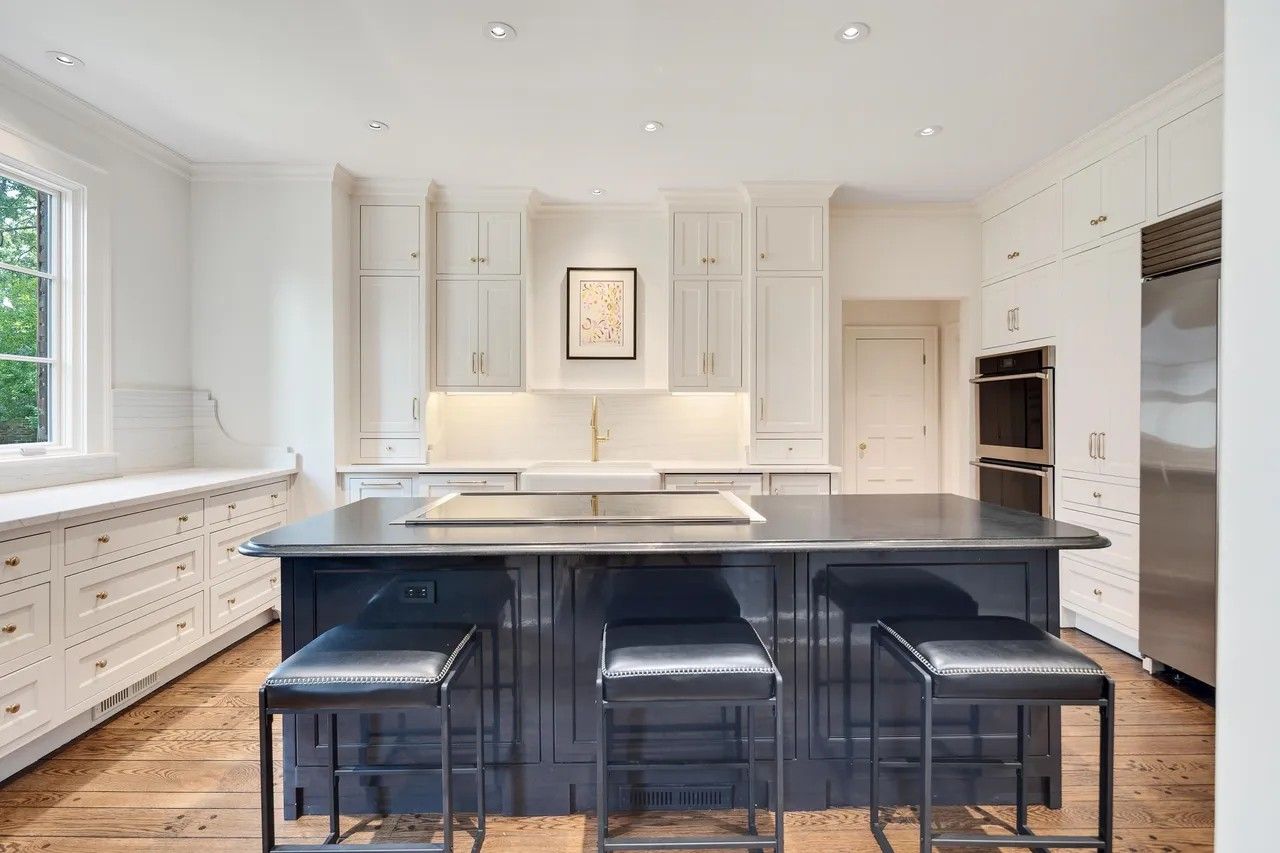
Interior updates require a gentle approach that values original surfaces. Bathroom remodeling, kitchen remodeling, and basement remodeling can proceed without removing defining features such as built-in cabinetry or decorative moldings. Finishing contractor teams coordinate painting, custom woodworking, and shower door installation to refresh spaces while retaining authentic scale. During historic home renovations, careful flooring contractor methods protect subfloors that have supported decades of use. Trim work repairs and cabinetry refinishing revive craftsmanship rather than replacing it. Coordinated scheduling keeps daily life manageable throughout the transformation.
Coordinate Project Management
Complex renovations benefit from organized leadership. Construction management services oversee timelines for commercial general contracting tasks, structural repairs, and concrete services so each phase supports the next. Quality control services verify that roof tear-off, door services, and siding installation meet current standards. Clear communication among trades prevents conflicts when electrical work or water mitigation must occur before finishing stages. Effective project management services also track budgets and documentation required for community approvals. Consistent oversight keeps historic home reconstructions moving forward with fewer disruptions.
Strengthen Exteriors and Site Features
Grounds and exterior elements deserve the same attention as interior rooms. Driveways, foundation work, and stone veneer installation influence how a historic property performs against weather and daily use. Cedar siding installation, vinyl siding installation, or Hardie fiber cement siding installation can renew protection while respecting traditional appearance. Entry door installation and French door installation improve access without altering scale. Thoughtful concrete services around walkways and drainage protect basements from moisture and support long-term durability. These upgrades create a cohesive envelope that supports every stage of historic home renovations.
Protect Value and Incentives
Preservation can enhance both cultural and financial worth. Many owners discover that careful historic home reconstructions increase appeal in neighborhoods known for character. According to the National Trust for Historic Preservation, rehabilitation projects account for approximately 25% of all work performed on designated historic structures nationwide, illustrating how common responsible updates have become. Grants or tax programs sometimes assist with roof deck installation, window services, or foundation work when guidelines are met. Maintaining accurate records of improvements supports future resale and community pride. Respectful investment today safeguards value for decades.
Serve Specialized Building Types
Historic techniques appear in schools, healthcare facilities, retail construction, and multi-family housing – apartments, as well as private residences. Each setting requires tailored approaches to concrete services, design-build services, or structural repairs. Hospitality and restaurants may need sliding door installation and HVAC system evaluations that meet modern codes without altering façades. Industrial and warehousing spaces benefit from waterproofing and vapor barrier installation to protect stored goods. Office and corporate spaces often integrate energy-efficient window installation to improve daylight. Knowledge across these industries strengthens results for every style of historic home renovations.
Prepare for Long-Term Care
Work does not end when the final coat of paint dries. Owners should plan routine inspections of roofing, HVAC services, and window services to protect progress achieved through historic home reconstructions. Seasonal reviews of siding installation, foundation leveling, and waterproofing catch minor concerns before they grow expensive. Keeping manuals and project records assists future repairs and supports coverage for systems such as air purifier installation or heat pump installation. A steady maintenance approach honors the investment and ensures the building continues to serve families and communities.
Renovating an older property blends responsibility with opportunity. Thoughtful choices about roofing, windows, HVAC services, and interior finishes allow families to enjoy comfort while honoring the craftsmanship already in place. The process succeeds when owners rely on organized planning, skilled trades, and respect for original materials so the home continues serving future generations. For guidance on roof installation, window services, construction management services, and other improvements that support careful historic home renovations, we invite you to contact Crone Construction and begin the next chapter of your home’s story.